When commanding forces against unrelenting, massive threats in modern survival strategy games, understanding your available resources is the absolute key to survival. Knowing the ins and outs of ebbtide military units allows commanders to construct effective forward operating bases, coordinate complex air operations, and hold defensive lines against overwhelming odds. Whether you are managing armored columns on the ground or directing precision air support from a flight deck, every choice dictates whether your base stands or falls.
Overview of Ebbtide Military Units
Real-time strategy titles set against apocalyptic backdrops require a fine balance between heavy firepower, logistical support, and rapid-response capabilities. The framework of ebbtide military units revolves around a robust combination of armored ground divisions and air assets designed to manage large-scale engagements.
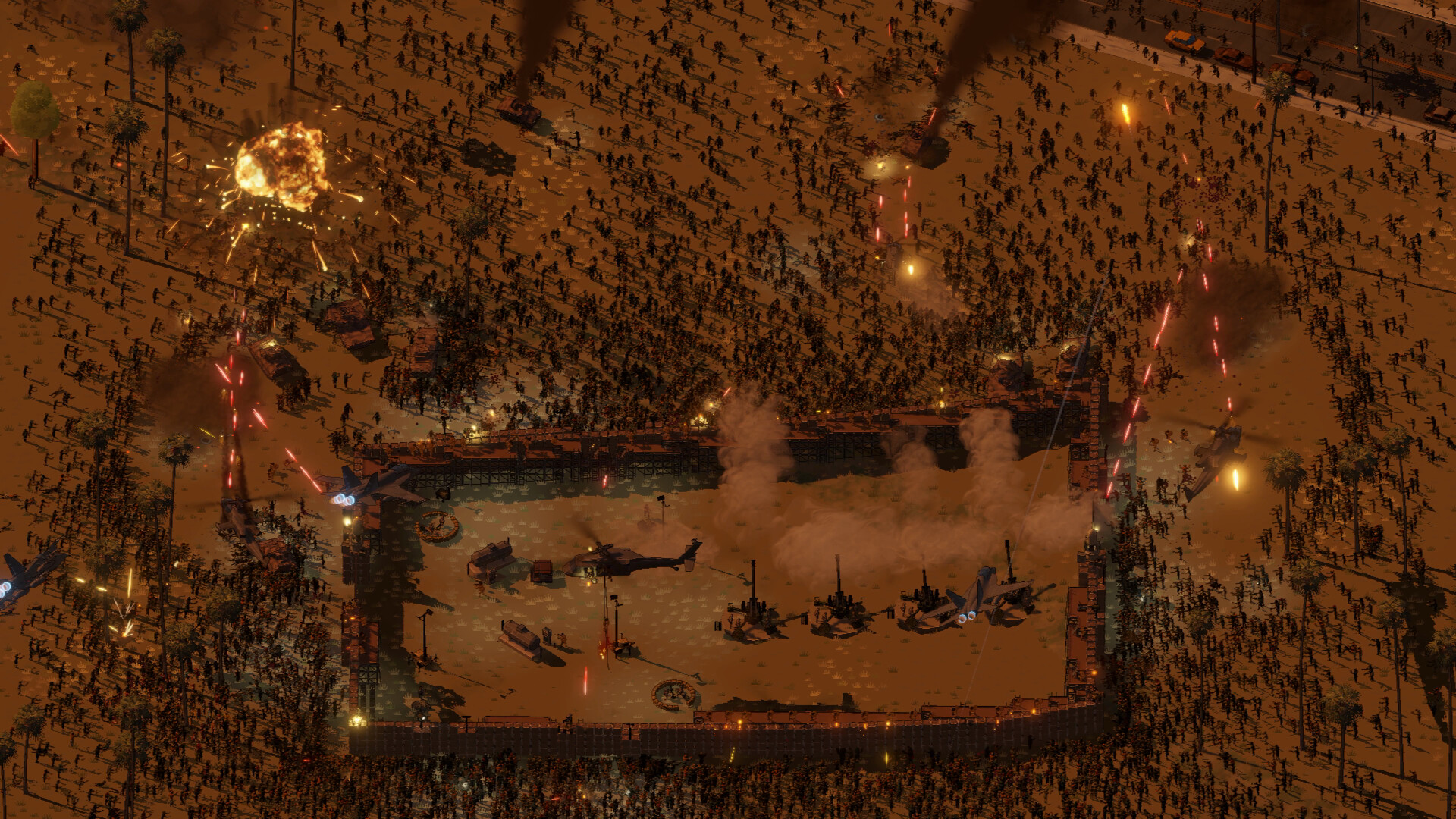
Players tasked with defending environments like the Los Angeles operations map quickly learn that deploying the wrong assets can lead to catastrophic failure. Below is a foundational breakdown of how tactical operations, air command, and heavy hardware integrate within the game’s mechanics.
| Category | Primary Function | Typical Deployment Scenario |
|---|---|---|
| Ground Armor | Holding choke points, front-line defense | Defending forward operating bases |
| Rotary Wing Support | Reconnaissance, rapid strike, transport | Launching from flight decks (Alert 5) |
| Fixed Strike Assets | Precision bombing, threat elimination | Overlapping overhead patrol zones |
| Command & Control | Managing grid maps, tasking forces | Headquarters operations |
Heavy Armor and Ground Forces
Ground combat forms the bedrock of survival in hostile zones. Community reports indicate that managing your armored units requires meticulous attention to positioning and ammunition reserves. For instance, deploying heavy assets like the M2 Abrams tank provides essential stopping power against massive advancing hordes.
When managing ground-based ebbtide military units, players must monitor main gun ammunition levels and coordinate movement speeds carefully. Moving tracks too quickly without adequate infantry or artillery support often leaves flanks exposed.
| Unit Type | Weapon System | Tactical Strength | Vulnerability |
|---|---|---|---|
| M2 Abrams | Main Cannon / Coaxial | High armor penetration, devastating output | Ammunition depletion, slow rotation |
| Support Armor | Automatic Tracking Guns | Steady sector coverage, suppressive fire | Requires stationary positioning |
| Forward Infantry | Small Arms & Explosives | Trench digging, tactical cover usage | Extremely fragile against hordes |
Air Support and Flight Deck Operations
Air superiority transforms a desperate defensive scramble into a controlled engagement. Operations often begin on a secured flight deck where alert crews maintain readiness states. According to community feedback, coordinating rotary-wing and fixed-wing assets requires precise timing.
Flight operations typically follow rigorous protocols before engagement. Ground crews ensure chocks, tie-downs, and loose gear are secured before aircraft launch. Once airborne, callsigns like Dagger 1-1 and Viper units manage tasking, weapons away calls, and holding patterns overhead.
| Callsign / Unit | Primary Role | Operational Status | Secondary Task |
|---|---|---|---|
| Dagger 1-1 | Precision Strike | Airborne (Alert 5 Manned) | Sector searching, gun runs |
| Dagger 1-2 | Secondary Strike | Airborne | Immediate follow-up attacks |
| Viper 1-1 | Task-Ready Support | Standby / Deck Launch | Perimeter patrol |
| Viper 1-2 | Task-Ready Support | Standby / Deck Launch | Escort and cover |
Strategic Deployment and Tactical Workflow
Effective commanders do not throw units blindly into the fray. The operational loop requires a seamless transition from the overarching operations map to micro-management on the active battlefield. To dive deeper into contemporary tactical strategy games, check out updates and developer insights on the official Steam Page for Defilade for inspiration on modern tactical mechanics.
When deploying ebbtide military units, players must follow a structured command workflow to ensure maximum efficiency:
- Strategic Planning: Review the operational map to identify critical choke points and potential breach zones.
- Readiness Verification: Ensure alert status protocols (such as Alert 5) are active and flight decks are cleared for launch.
- Asset Dispatch: Launch reconnaissance and strike craft (like the AH-6M Little Bird or Dagger squadrons) to clear immediate threats.
- Armor Positioning: Move heavy armor into designated sectors, ensuring tracks maintain slow, deliberate orientations to protect main guns.
- Sustained Logistics: Monitor ammunition supplies across all active ebbtide military units to prevent vulnerability during waves.
| Operational Phase | Key Action Items | Critical Metric |
|---|---|---|
| Phase 1: Preparation | Clear flight deck, secure loose gear | Deck Readiness |
| Phase 2: Engagement | Deploy Dagger/Viper air support | Target Acquisition Time |
| Phase 3: Defense | Position M2 Abrams, maintain arcs | Ammunition Reserves |
| Phase 4: Sustainment | Call in artillery, rotate weary squads | Base Integrity |
Advanced Tactical Management for Hardened Players
As threat levels escalate, standard tactics often fall short. Veteran commanders emphasize that integrating air-to-ground communication is vital. When ebbtide military units report low ammunition, failing to pull them back immediately results in catastrophic losses.
Furthermore, utilizing precision strikes while ground armor holds static positions creates a synergistic defense. The interplay between aerial visibility and heavy ground-based firepower forms the ultimate defense strategy in high-stress RTS environments.
| Tactic | Description | Benefit | Risk |
|---|---|---|---|
| Bounding Overmatch | Alternate armor movement while stationary units cover | Continuous defensive fire | Coordination complexity |
| Overhead Loiter | Keep strike aircraft holding overhead after weapons away | Instant response to secondary breaches | Fuel and munition drain |
| Sector Concentration | Orient multiple main guns toward a single high-threat vector | Eliminates heavy target clusters fast | Leaves other flanks empty |
Frequently Asked Questions
How do I effectively manage ammunition for ebbtide military units?
Always keep a close eye on your resource meters and status callouts. When units report low main gun ammunition, pull them behind defensive lines immediately to rearm rather than letting them get overwhelmed in the front line.
What is the role of Alert 5 aircraft in tactical missions?
Alert 5 assets represent your rapid-response air capability. Once launched from the flight deck, units like Dagger and Viper squadrons can quickly achieve airborne status to execute precision strikes and clear out approaching hordes.
Can heavy armor alone protect my forward operating base?
While units like the M2 Abrams offer immense defensive capability, relying solely on armor is risky. A balanced strategy combining ground armor, defensive trenches, infantry support, and air assets is necessary to survive.