When diving into ProjectAlive’s upcoming zombie survival RTS, understanding the intricacies of the ebbtide la operations map is essential for keeping your forces alive. Surviving the apocalypse requires more than just raw firepower; mastering the ebbtide la operations map allows you to seamlessly transition from high-level strategic commands to gritty, real-time 3D street fights without missing a beat.
Understanding the Operational Layout
The core of ProjectAlive’s survival strategy game revolves around a unified war interface where grand strategy meets ground-level combat. When you analyze the ebbtide la operations map, you are looking at a simulated Los Angeles stretching from the Hollywood Hills down to the Port of LA.
Rather than relying on isolated missions or automated resolution mechanics, the developers have engineered a continuous theater of war. Every strategic order issued on the ebbtide la operations map directly impacts the boots on the ground, creating a dynamic environment where consequences persist indefinitely.
| Feature | Operational Layer | Tactical Layer |
|---|---|---|
| Viewpoint | Top-down administrative overview | Real-time 3D street-level view |
| Time Control | Pause, normal, up to 4x speed | Continuous real-time flow |
| Primary Actions | Rerouting supplies, evacuation orders | Direct unit control, fire support |
| Visibility | Fog of war governed by lines of sight | Direct line-of-sight engagements |
Managing the Fifteen Administrative Districts
Commanding a city under siege means accepting harsh realities. The ebbtide la operations map divides the active theater into fifteen distinct zones. Each zone constantly shifts between three critical statuses: Hold, Crisis, and Lost.
| District Status | Tactical Condition | Strategic Implication |
|---|---|---|
| Hold | Secure, well-garrisoned, active supply lines | Generates resources and safe evacuation routes |
| Crisis | Overrun by hordes, heavy combat, fading supplies | Requires immediate reinforcement or planned withdrawal |
| Lost | Abandoned to the infected, zero friendly presence | Compounds the horde threat and cuts off adjacent zones |
Community reports and developer briefings make it clear that trying to hold all fifteen zones simultaneously is a trap. Utilizing the ebbtide la operations map effectively means knowing when to sacrifice ground, pull back your National Guard, LAPD, or Marine units, and prioritize evacuation efforts over territorial pride.
Logistics, Bases, and Supply Lines
A strategic campaign lives or dies by its logistics network. Operating heavy armor and air support requires a robust infrastructure anchored by forward operating bases (FOBs) across the ebbtide la operations map.
| Asset Type | Primary Function | Operational Limitation |
|---|---|---|
| Truck Convoys | Transporting refugees and bulk supplies | Vulnerable to ambushes in unsecure zones |
| Helicopter Lifts | Rapid troop insertions and emergency extraction | High fuel consumption, requires active landing zones |
| Carrier Strike Air | Precision missile and gun runs from TF-1 Ark | Tied to naval range and operational clearance |
Player experience highlights a common pitfall: deploying tanks and mechanized units far beyond friendly supply lines. Without a secured base nearby for rearming and refueling, your advanced hardware quickly becomes stranded metal. Furthermore, always verify your base architecture—ensure vehicle gates are built properly before the horde arrives, as bottlenecked exits frequently lead to disastrous base wipes.
Combined Arms and Fire Support
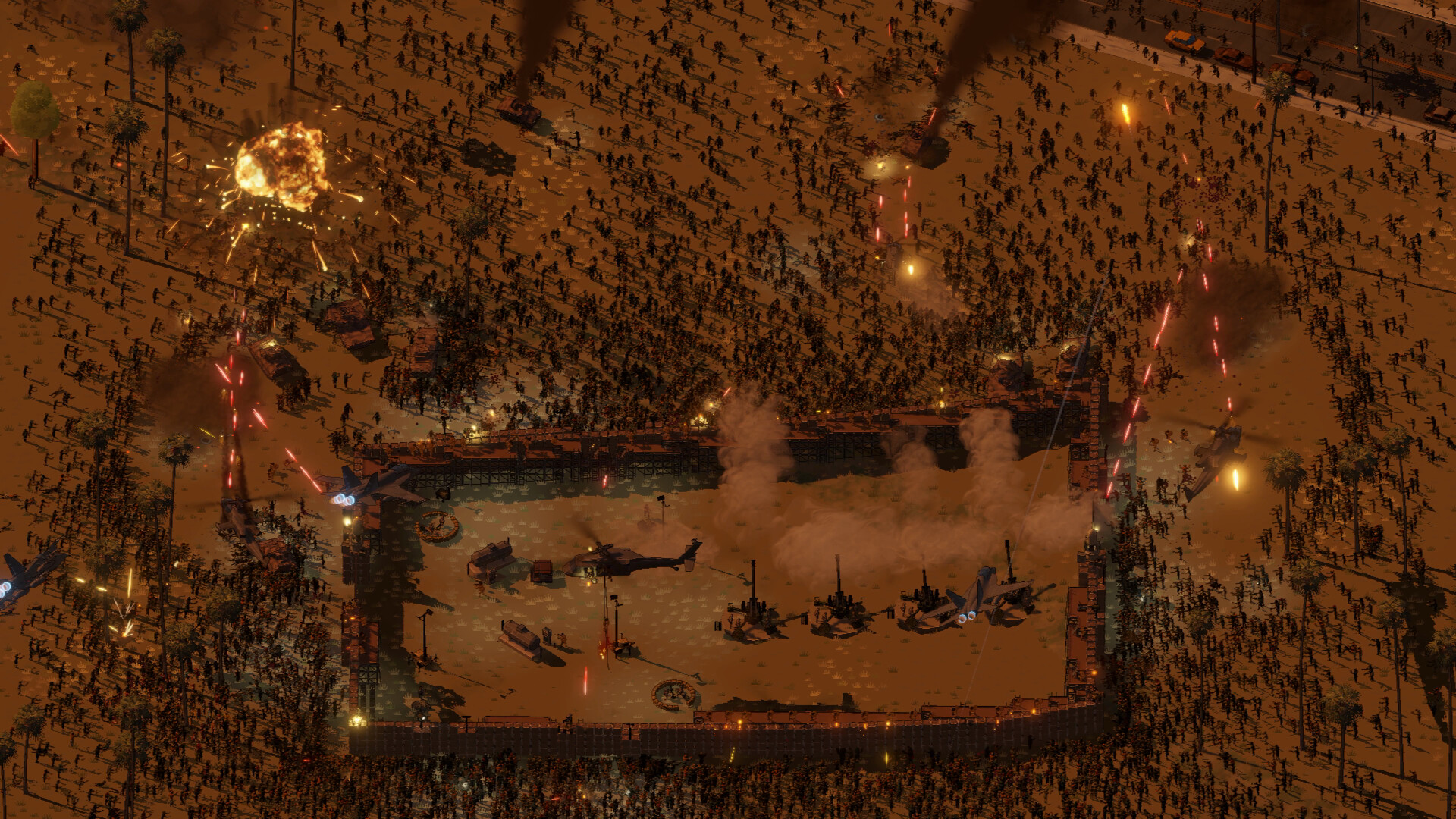
When zooming in from the macro layer to individual street skirmishes using the ebbtide la operations map, victory hinges on effective combined arms tactics. Coordination between infantry, armored vehicles, and naval air support is mandatory.
| Unit Category | Tactical Role | Key Vulnerability |
|---|---|---|
| Infantry Units | Holding checkpoints and clearing buildings | Highly susceptible to overwhelming numbers |
| Armored Vehicles | Breaking zombie lines and suppressing streets | Low ammunition reserves, slow movement |
| Air Support | Delivering precision strikes on high-threat targets | Limited loiter time, dependent on carrier task force |
According to official Steam Store updates for Ebbtide, combat engagement is entirely seamless. If you scroll away from an active firefight to manage another district, the battle continues in real-time. Therefore, planning your micro-operations while keeping an eye on the broader ebbtide la operations map is vital for preventing micro-wipeouts.
Transitioning to the World Campaign
Successfully managing the Los Angeles sector on the ebbtide la operations map is only the opening chapter of the broader war effort. The ultimate objective involves securing the southern corridor down to the Port of LA.
| Campaign Phase | Primary Objective | Strategic Reward |
|---|---|---|
| Los Angeles Act | Evacuate survivors and secure the southern port | Seed forces aboard TF-1 “Ark” |
| World Campaign | Expand fleet, rescue specialists, hunt Nexus nodes | Global resistance and tactical dominance |
Failing to maintain the southern evacuation corridor on the ebbtide la operations map ruins your prospects for the subsequent global campaign. Every specialist saved, vehicle preserved, and crate of supplies safely delivered to the carrier task force directly empowers your starting strength for the next phase of the war.
Frequently Asked Questions
What is the purpose of the ebbtide la operations map?
The ebbtide la operations map serves as the central command interface where players manage fifteen administrative districts, issue supply orders, direct military units, and seamlessly zoom into real-time 3D street battles.
Can I save all fifteen districts in Los Angeles?
No. The game’s design explicitly prevents holding every district simultaneously. Players must strategically choose which zones to defend, evacuate, or abandon to the horde.
How does the zoom mechanic work on the map?
You can scroll from a top-down administrative view directly into an active street fight without encountering any loading screens. Combat continues in real-time even when you scroll away to manage other sectors.
What happens after completing the Los Angeles campaign?
Once you secure the Port of LA, surviving personnel, gear, and supplies transfer directly with Task Force 1 “Ark” into a wider world map campaign against hidden enemy command nodes.