Introduction to Carrier-Based Air Support
Strategic aerial command requires precise timing, disciplined flight deck management, and overwhelming firepower. When deploying ebbtide fighters into hostile territory, commanders must master every phase of the mission, from the initial catapult launch to the final recovery on the flight deck. Whether you are coordinating a massive missile attack or executing precision strafing runs against enemy fortifications, understanding the mechanics behind ebbtide fighters is vital for turning the tide of battle.
The Anatomy of a Sortie: Launch and Operations
Executing a successful mission with carrier-based aircraft demands strict adherence to operational checklists. Community reports from flight deck coordinators highlight the intricate sequence required to get aircraft airborne efficiently. Pilots must board their assigned craft promptly, ensuring systems check out before moving onto the main catapult system.
Once the signal is given, the catapult launch catapults the aircraft into the open sky, transitioning immediately into an airborne turn toward the target zone.
| Flight Phase | Primary Objective | Key Action Required |
|---|---|---|
| Preparation | Pilot Boarding & Systems Check | Complete pre-flight diagnostics and cockpit entry |
| Departure | Rapid Deployment | Execute catapult launch under high steam pressure |
| Transit | Vectoring & Formation | Perform immediate airborne turn toward target coordinates |
| Engagement | Strike Execution | Deploy payload or initiate strafing run |
Tactical Execution: Strikes and Destruction
Once airborne, these tactical units shine in ground support and structural dismantling. According to community feedback and mission observations, the revised air support mechanics allow for devastating accuracy during combat engagements.
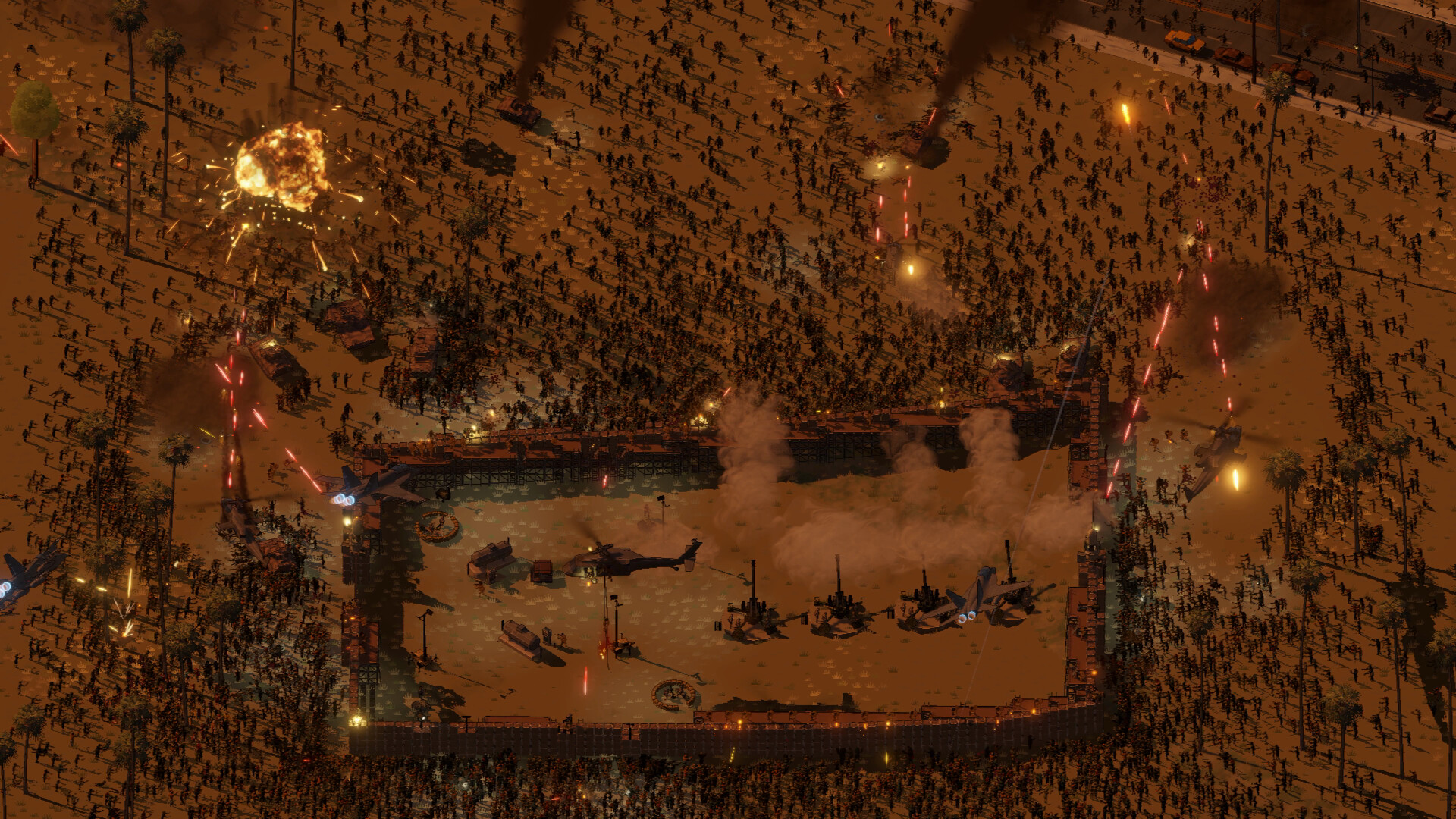
When opposing forces gather in large numbers, pilots initiate a synchronized missile attack, followed closely by low-altitude strafing runs and heavy bombing. Ground-level perspectives often reveal catastrophic building destruction as ordnance finds its mark. Precision strike capabilities ensure that high-value targets are neutralized before enemy defenses can mount an effective counter-offensive.
| Attack Type | Primary Target | Tactical Advantage |
|---|---|---|
| Missile Assault | Armored columns & vehicles | Long-range engagement with high destructive output |
| Strafing Run | Infantry concentrations | Suppressive fire and rapid area denial |
| Bombing Run | Infrastructure & fortifications | Systematic building destruction and shelter reduction |
Recovery and Flight Deck Management
A successful mission is only complete when the aircraft returns safely to home base. Carrier operations do not end when the bombs drop; recovering high-value assets requires just as much precision as launching them.
Community reports emphasize the importance of smooth landing and arrestor gear engagement. Pilots must align their approach vectors perfectly to catch the arresting wires on the moving deck. Once parked securely on the flight deck, pilots disembark, allowing ground crews to refuel, rearm, and prepare the aircraft for its next sortie.
| Recovery Step | Procedure Details | Operational Risk |
|---|---|---|
| Approach | Alignment with landing signal officer | Missed wires or wave-off requirement |
| Arrestment | Hook engagement with deck cables | High-g deceleration stress on airframe |
| Taxing & Parking | Directing aircraft to designated deck spots | Congestion on the flight deck |
| Debarkation | Pilot exit and crew handover | Turnaround delays if maintenance is required |
Optimizing Unit Efficiency in Combat
Maximizing the effectiveness of your air wing requires careful resource management and timing. Commanders should avoid sending aircraft into heavily defended airspace without prior suppression of enemy anti-air capabilities. Pairing these tactical assets with coordinated ground movements creates a multi-pronged assault that overwhelms enemy defensive networks.
For additional strategies on managing complex military units and operational logistics, consult the official Steam Community Hub for ongoing player discussions and tactical guides.
Frequently Asked Questions
What are ebbtide fighters primarily used for in combat?
These units specialize in delivering rapid air support, including missile attacks, precision bombing runs, and strafing operations against enemy structures and ground forces.
How do pilots deploy during a standard mission?
Pilots board their aircraft on the carrier flight deck and utilize a high-powered catapult launch system to get airborne instantly.
What happens after a combat sortie is completed?
Aircraft execute a controlled landing using arresting gear, park in designated deck zones, and allow pilots to disembark while ground crews prepare for the next launch.