Mastering the ebbtide operations map is the ultimate key to surviving the relentless zombie apocalypse in ProjectAlive’s upcoming real-time strategy game. Navigating the strategic layers of the ebbtide operations map requires a blend of resource management, tactical foresight, and immediate combat intervention.
Understanding the War Map and Seamless Combat
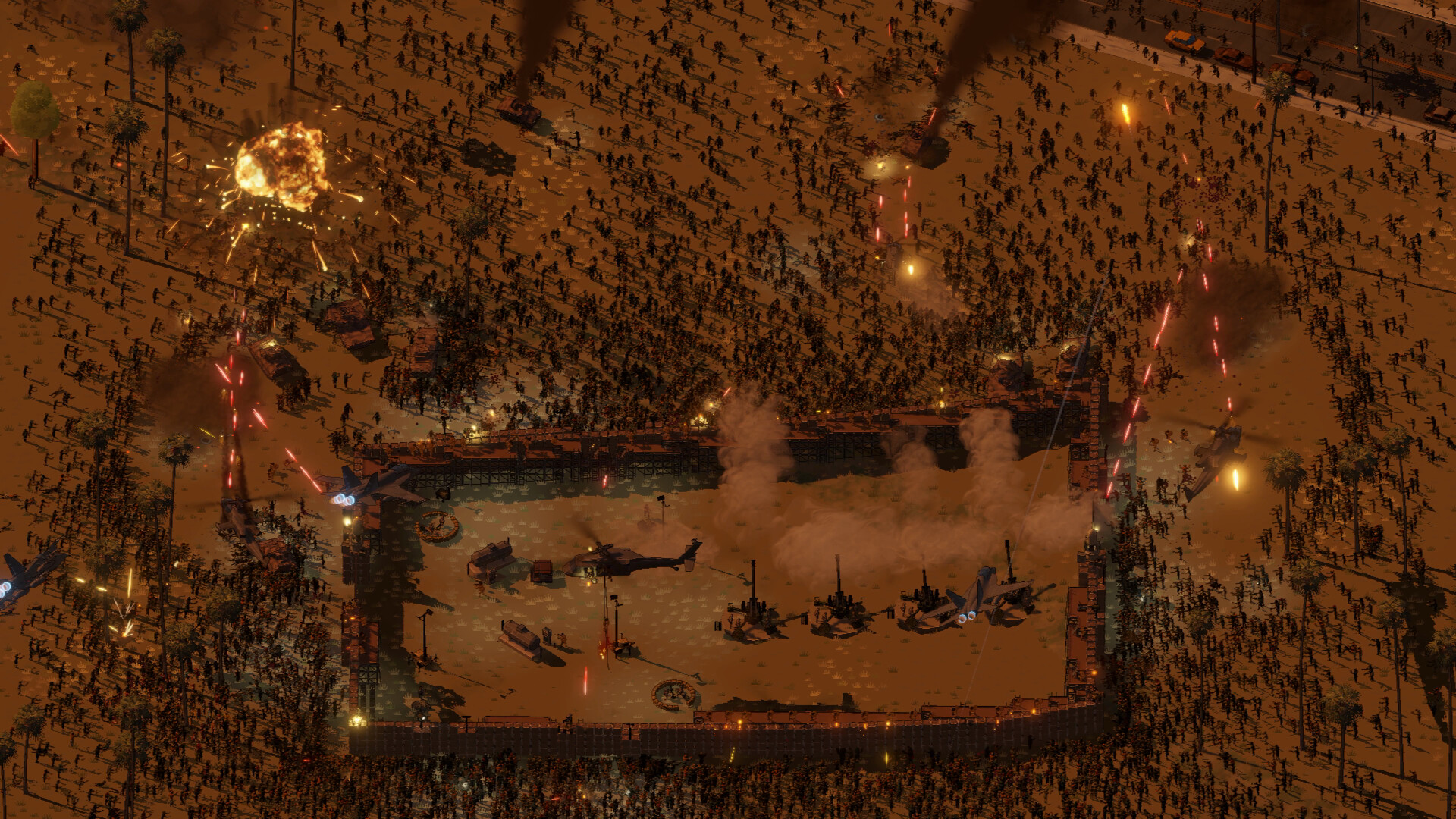
The core mechanic of ProjectAlive’s survival RTS rests on a single, unified war map where macro-level strategic planning directly connects to micro-level street fights. Unlike traditional RTS games that separate campaign management from combat instances, this title removes loading screens entirely.
When utilizing the strategic overlay, players can easily zoom from a high-altitude view of metropolitan sectors straight down into active ground engagements. Combat never stops just because you pan your camera away. Every soldier lost, fortification breached, or infected horde eliminated directly alters the shared global war state.
| Feature | Strategic View | Tactical Ground View |
|---|---|---|
| Scale | Regional district overview | Individual street-level skirmishes |
| Time Controls | Pause, 1x, up to 4x speed | Real-time execution |
| Primary Actions | Convoy routing, zone reassignments | Direct unit micro, air strikes, defensive lines |
| Persistence | Global war status tracking | Immediate combat feedback |
Managing the 15 Los Angeles Districts
The initial campaign throws players straight into a sprawling depiction of Los Angeles, spanning from the Hollywood Hills down to the Port of LA. The metropolitan area is split into fifteen distinct administrative districts. Each zone features dynamic conditions that reflect the severity of the outbreak.
As the infection spreads, district statuses fluctuate rapidly. Players must constantly evaluate which sectors can be successfully defended and which are bound to fall. Hard choices define every single campaign run; you simply cannot save everyone.
| District Status | Tactical Condition | Strategic Implication |
|---|---|---|
| Hold | Stable control, fortified | Safe zone for temporary staging and light supply storage |
| Crisis | Heavy contagion, contested | Requires active military intervention and reinforced convoys |
| Lost | Overrun, hostile territory | Cut off from supply lines; requires complete clearance operations |
According to community reports and developer insights on platforms like Steam Store Page, the geography focuses heavily on urban choke points. You will need to weigh the strategic value of high-ground assets against the sheer logistical nightmare of holding sprawling suburban sectors.
Supply Lines, Convoys, and Forward Bases
Commanding Task Force 1 “Ark” means keeping your forces properly fed, fueled, and armed. Forward Operating Bases (FOBs) cannot survive on grit alone; they rely entirely on steady shipments of ammunition, construction materials, and fuel.
The enemy Nexus faction poses an active threat to your logistics network. Hostile forces can ambush supply columns, cut vital roadways, and isolate front-line units. To counter this, commanders must deploy tactical assets wisely.
- Truck Convoys: Cost-effective for moving bulk supplies across secure routes, though vulnerable to ambushes.
- Helicopter Inserts: Rapid deployment for high-priority troop movements, rescue operations, and urgent asset extractions.
- National Guard & Local Police: Utilize LAPD, LA County Sheriff units, and National Guard detachments to buy crucial time in crisis-level zones.
- Camp Pendleton Marines: Heavy reinforcement units capable of turning the tide in heavily contested urban bottlenecks.
| Transport Type | Speed | Cargo Capacity | Vulnerability | Best Use Case |
|---|---|---|---|---|
| Supply Trucks | Moderate | High | High on unsecure roads | Routine FOB resupply |
| Transport Copters | Fast | Low to Medium | Low (Airborne) | Emergency extractions & fast reinforcement |
| Armor Columns | Slow | Maximum | Moderate | Heavy combat patrols and choke point defense |
Transitioning to the World Campaign
Surviving the initial urban nightmare in Southern California is only the beginning. Once your operations stabilize, the focus shifts toward a broader global campaign utilizing the Port of LA as your primary staging ground.
Refugees, rescued specialists, recovered military gear, and vital supplies funneled through the port seed your starting capabilities aboard the Ark. From there, your carrier strike group acts as a mobile command center. You can choose which international regions to aid, deploy naval strike assets into coastal combat zones, and hunt down hidden enemy command nodes.
| Campaign Phase | Primary Objective | Key Strategic Assets |
|---|---|---|
| Phase 1: Los Angeles | Contain outbreak, evacuate VIPs | National Guard, LAPD, Local FOBs |
| Phase 2: Port Staging | Gather survivors, load the Ark | Supply convoys, naval logistics |
| Phase 3: Global War | Hunt Nexus nodes, aid regions | Carrier strike groups, F/A-18 air support |
Frequently Asked Questions
What is the Ebbtide operations map?
The ebbtide operations map is the centralized strategic war screen where players manage logistics, monitor fifteen Los Angeles districts, and seamlessly transition into real-time tactical combat without loading screens.
Can I save all fifteen districts in Los Angeles?
No. The campaign design explicitly forces difficult choices upon commanders. As districts shift between Hold, Crisis, and Lost conditions, you must prioritize evacuation targets and decide who to pull out first.
How does combat connect to the operations map?
Every action is interconnected. Because the map is the battlefield, zooming into street-level skirmishes happens instantly, and any unit losses, zombie casualties, or structural damages instantly feed back into the persistent global war state.
What happens after the Los Angeles campaign?
Once you secure the Port of LA, the campaign expands globally. Resources, rescued specialists, and equipment brought to the port seed your fleet aboard TF-1 Ark as you hunt hidden Nexus command nodes across the world.