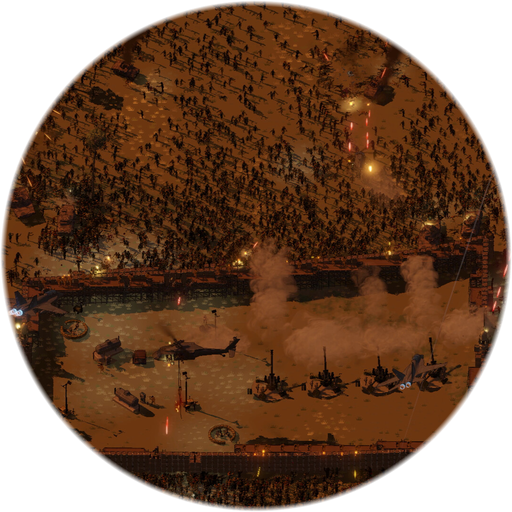
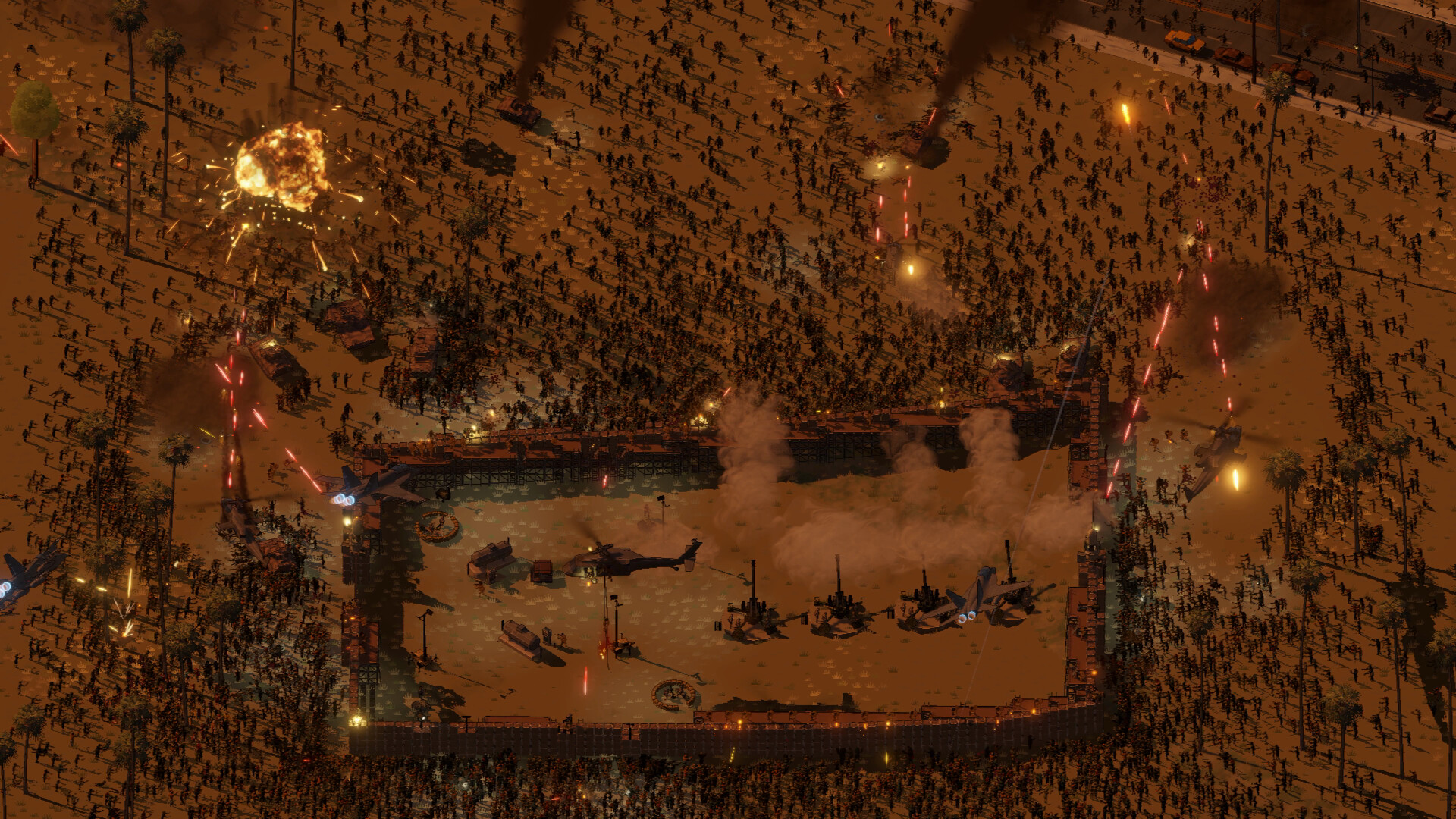
Mastering the mechanics of the ebbtide aircraft requires a deep understanding of carrier-based deployment and high-stakes aerial combat. Whether you are coordinating missile barrages or managing flight deck rotations, maximizing the efficiency of your ebbtide aircraft can turn the tide of any engagement.
Flight Deck Preparation and Launch Protocols
Successful aerial operations begin long before a pilot ever touches the throttle. On the carrier flight deck, ground crews work in synchronized precision to prep every ebbtide aircraft for immediate deployment. According to player experience and community reports, managing deck congestion is the single most critical factor in maintaining a steady launch tempo during prolonged engagements.
| Operation Phase | Primary Objective | Key Crew Action |
|---|---|---|
| Deck Parking | Positioning | Chock and secure fuselage |
| Pilot Boarding | Cockpit readiness | Harness and system check |
| Pre-Launch | Catapult alignment | Steam pressure verification |
Once the flight crews complete their final checks, pilots strap into their cockpits and prepare for the signature catapult launch. This high-speed departure mechanism ensures that each ebbtide aircraft achieves optimal lift almost instantly upon leaving the deck, reducing vulnerability during the critical takeoff window.
Executing Precision Strikes and Strafing Runs
When an ebbtide aircraft reaches the operational zone, its role shifts rapidly from transit to offensive dominance. Coordinated missile attacks and targeted bombing runs allow squadrons to dismantle enemy infrastructure from above. Community reports highlight the devastating effectiveness of combining vertical bombing maneuvers with low-altitude strafing passes.
| Strike Type | Altitude Profile | Primary Target |
|---|---|---|
| Precision Strike | High Altitude | Heavy Structures |
| Strafing Run | Low Altitude | Ground Units |
| Missile Attack | Medium Altitude | Defenses |
Executing these maneuvers demands exceptional spatial awareness. Pilots must calculate their approach vector carefully, especially when performing sudden airborne turns to evade incoming anti-air fire while maintaining reticle stability on ground targets.
Damage Mitigation and Ground View Impacts
The destructive capability of a fully armed strike package is best observed from a ground view perspective, where the sheer force of a targeted bombing campaign becomes entirely apparent. Entire fortified structures crumble under sustained payloads, yet managing collateral damage and maintaining aircraft structural integrity remains paramount.
| Damage Category | Severity Level | Recommended Pilot Response |
|---|---|---|
| Structural Stress | Moderate | Reduce throttle, level wings |
| Avionics Glitch | Low | Reboot secondary systems |
| Fuel Leak | Critical | Initiate immediate return |
Pilots must constantly monitor their onboard diagnostics. Pushing an ebbtide aircraft beyond its designated thermal and structural limits during intensive combat runs often leads to compromised performance during the critical return phase.
Recovery, Arrested Landing, and Deck Parking
Safely returning to the carrier is just as demanding as the initial launch sequence. Executing a successful landing and arrest requires absolute precision, as the tailhook must catch the designated wire on the first pass to avoid a dangerous wave-off.
| Landing Phase | Action Required | Success Metric |
|---|---|---|
| Approach Alignment | Glideslope tracking | Centerline deviation < 2m |
| Arrested Touchdown | Hook engagement | Wire 3 capture |
| Taxing & Parking | Deck marshaling | Complete shutdown in bay |
Once the arresting gear brings the machine to a halt, deck crews guide the ebbtide aircraft back to its designated parking spot. Pilots then climb out, concluding a high-intensity sortie that demands both technical proficiency and nerves of steel. For more details on military aviation simulations, check out the Official Flight Simulation Wiki.
Frequently Asked Questions
What makes the ebbtide aircraft unique in carrier operations?
The ebbtide aircraft stands out due to its optimized catapult integration and rapid turnaround capabilities on modern flight decks, allowing for swift re-arming and continuous combat support.
How can I improve my landing success rate with an ebbtide aircraft?
Focus on maintaining a stable glideslope during final approach and rely heavily on visual landing aids rather than manual adjustments at the last second.
Are missile attacks more effective than strafing runs?
It depends on the target. Missile attacks excel against heavily fortified structures from a distance, whereas strafing runs provide superior localized suppression against active ground targets.