Introduction to Tactical Operations in Ebbtide
Navigating the chaotic battlegrounds of Los Angeles requires a meticulous understanding of ebbtide combat units and how they interact under extreme survival pressure. Mastering ebbtide combat units is the definitive key between successfully establishing forward operating bases and watching your defensive lines crumble against relentless waves.
As real-time strategy (RTS) games evolve to incorporate complex logistical networks and modern military hardware, commanders can no longer rely on simple “A-move” tactics. Whether you are managing armored columns on the ground or coordinating close air support from an offshore command platform, every single asset dictates your survival rating.
Understanding the Command Structure and Operations Map
Strategic success begins long before your vehicles roll onto the asphalt. The operations map serves as your central nerve center, where dispatching orders and coordinating movements dictate the tempo of engagement.
Community reports indicate that shifting from macro-level regional mapping down to micro-tactical execution requires strict adherence to communication protocols. Flight deck operations, alert-level statuses, and proper vehicle spacing prevent catastrophic bottlenecks during high-stress extractions or reinforcement phases.
| Command Phase | Operational Focus | Primary Objective |
|---|---|---|
| Strategic Map | Regional asset allocation | Establish forward operating bases (FOBs) |
| Alert Five | Launch readiness | Scramble air support and quick reaction forces |
| Tasking & Patrol | Sector security | Neutralize vanguard threats and scout hordes |
| Extraction / Retraction | Low ammunition management | Safely cycle armor and aviation back for rearming |
When managing your operational pipeline, always verify that your launch decks remain clear. A blocked flight deck can delay vital reconnaissance or emergency air support when your ground forces need it most.
Ground Armor and Heavy Combat Assets
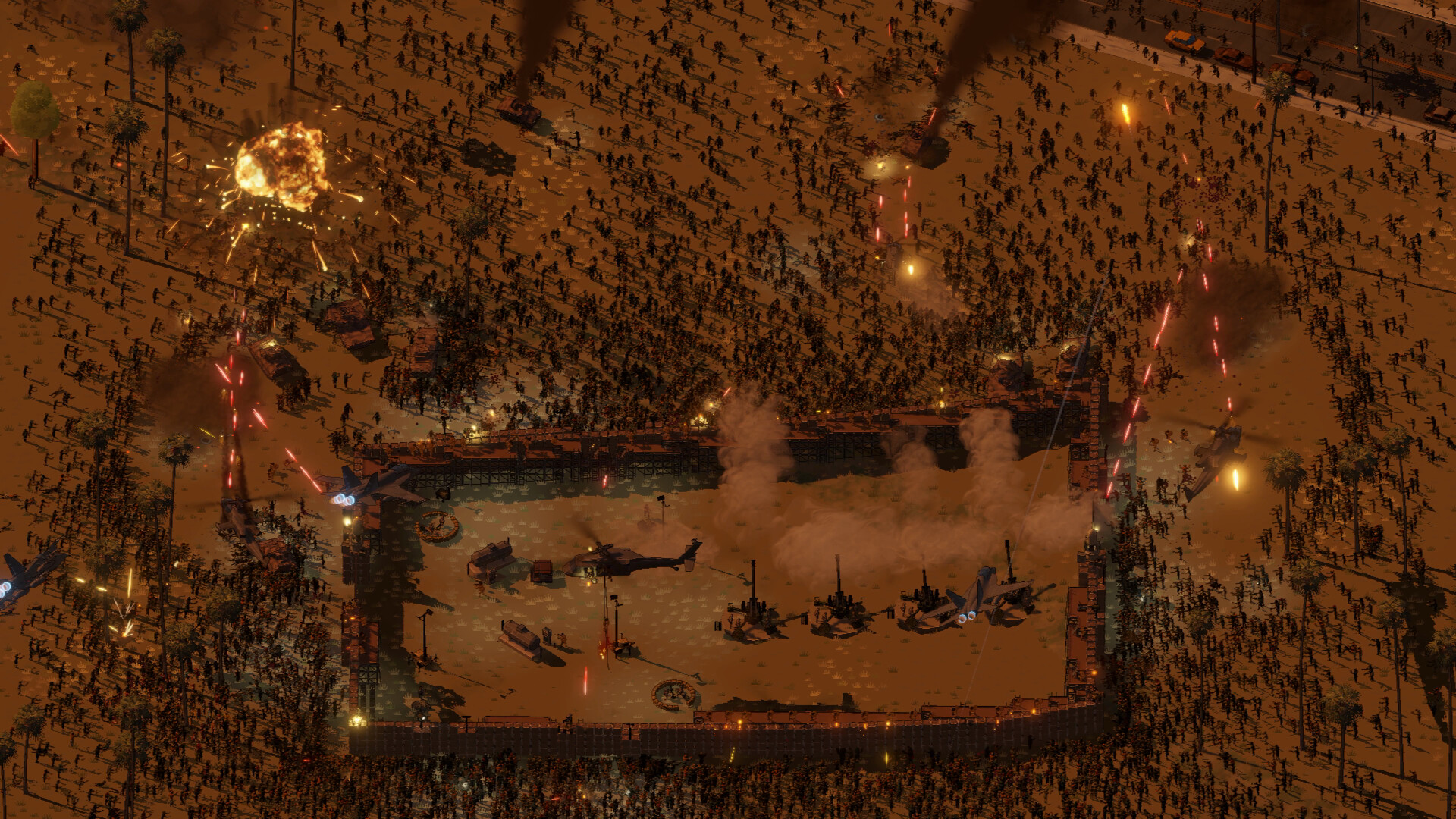
When dealing with massive, overwhelming threats, heavy armor forms the backbone of your defensive doctrine. The integration of main battle tanks into your line of defense changes the dynamic from a desperate scramble to calculated attrition.
Player experience highlights the sheer scale of deploying heavy assets like the M2 Abrams against dense enemy formations. However, commanders must balance firepower with ammunition logistics.
| Asset Type | Primary Role | Strengths | Vulnerabilities |
|---|---|---|---|
| M2 Abrams | Breakthrough & Holding | High durability, devastating main gun | Slow repositioning, ammo consumption |
| Armored Personnel Carriers | Troop Transport & Cover | Rapid deployment, mobile firing platform | Moderate armor against heavy swarms |
| Artillery Batteries | Long-Range Suppression | Area denial, massive crowd control | Stationary, vulnerable if flanked |
Maintaining proper spacing for your ground armor is vital. If your main gun ammunition runs low, coordinate tactical withdrawals carefully so that surrounding units can cover the retreat without breaking formation.
Aviation and Air Support Logistics
Air superiority transforms a static defense into a dynamic, responsive kill zone. Utilizing scout and attack helicopters allows commanders to strike priority targets far beyond the reach of standard infantry weapons.
Community feedback emphasizes the tactical versatility of deploying aircraft like the AH-6M Little Bird straight from flight decks. These nimble units excel at precision strikes, reconnaissance, and holding overhead to spot oncoming threats before they breach perimeter walls.
| Air Unit | Engagement Style | Optimal Use Case | Operational Risk |
|---|---|---|---|
| AH-6M Little Bird | Fast Attack / Recon | Precision targeting, spotting hordes | Low durability under concentrated fire |
| Close Air Support (CAS) | Heavy Ordnance Delivery | Breaking massive enemy clusters | Long reload and turnaround times |
| Transport Choppers | Rapid Insertion | Delivering supplies and reinforcements | High vulnerability during landing phases |
To see more about how these tactical aerial vehicles operate within modern RTS environments, you can check out community showcases and development updates directly on the Project Alive Dev X Profile.
Managing Supply Lines and Ammunition Economics
The greatest enemy in any prolonged survival scenario is often not the opposition itself, but the logistical failure to keep your forces supplied. Running dry in the middle of a major engagement spells certain doom for even the most elite squads.
Commanders must establish a reliable rhythm of supply runs, ammunition replenishment, and vehicle rotation. When units report low ammunition, immediate fallback protocols should be initiated to prevent frontline collapses.
| Resource Category | Management Strategy | Failure Consequence |
|---|---|---|
| Main Gun Ammo | Rotate tanks before magazines deplete | Exposed armor during reload cycles |
| Aviation Fuel & Ordnance | Schedule staggered returns to “mother” | Loss of air cover during critical waves |
| Base Building Supplies | Protect supply trucks and FOB nodes | Inability to repair or expand defenses |
By treating logistics as a primary weapon rather than an afterthought, you ensure that your frontline forces remain at peak operational capacity throughout extended sieges.
Frequently Asked Questions
What are ebbtide combat units?
Ebbtide combat units comprise the various military assets, infantry squads, armored vehicles, and air support options available to players in the game’s tactical RTS environment.
How do I manage ammunition depletion for ground armor?
When your units report low ammunition, order them to pull back slowly while secondary armor or infantry covers their sector, ensuring continuous fire control without leaving gaps in your defense.
Can air support operate independently without a base?
No, aviation units rely heavily on secure flight decks and forward operating bases for launching, rearming, and maintenance routines.
What is the best way to handle massive horde waves?
Combine stationary artillery for area denial with M2 Abrams tanks holding choke points, backed up by nimble air support units to eliminate priority threats before they reach your primary barricades.